Why the Overnight Water Jug Habit Rarely Helps Houseplants
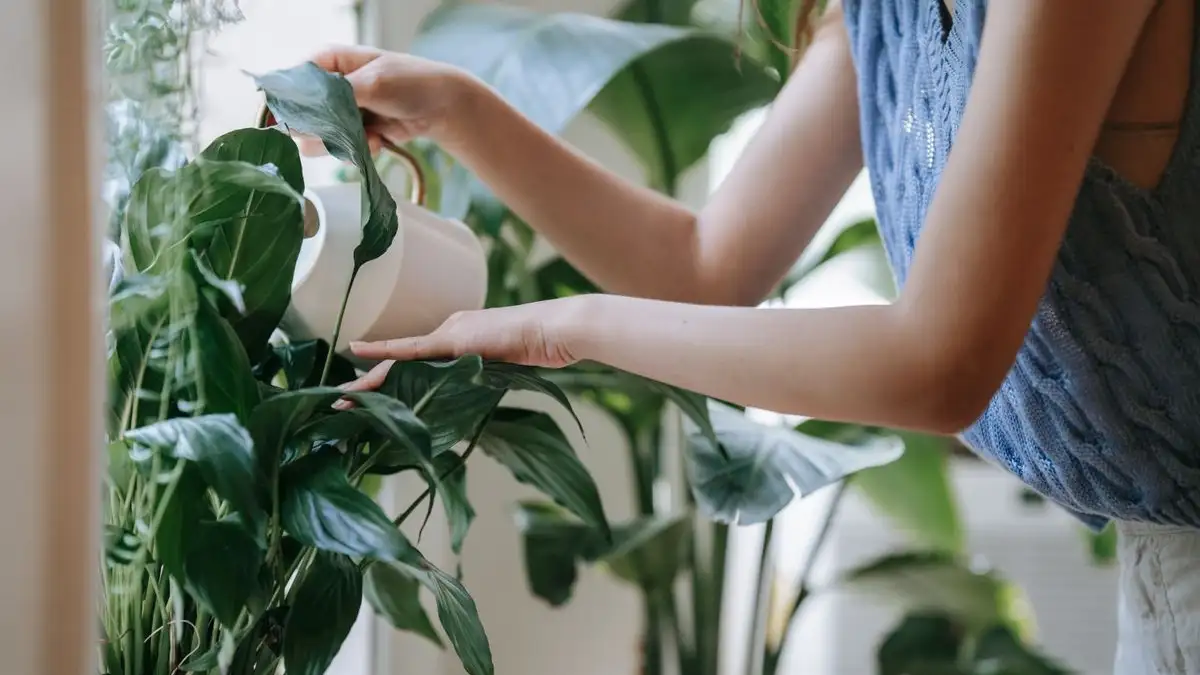
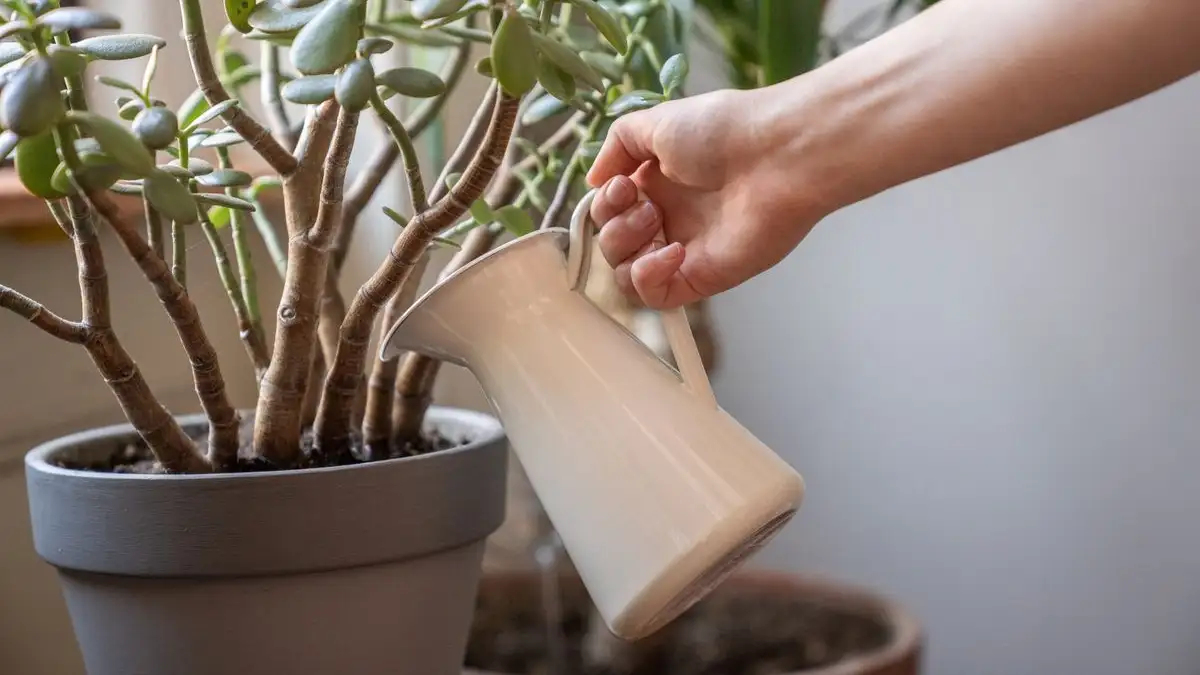
Chlorine off-gasses from a standing jug; chloramine does not. The habit only works on one of them, and the real benefit is room-temperature water.
Room conditions, light, water, humidity, and airflow management for flowering houseplants indoors.
Chlorine off-gasses from a standing jug; chloramine does not. The habit only works on one of them, and the real benefit is room-temperature water.
Cold tap water in January chills roots, rings African violet leaves, and blasts buds. Bring winter water to room temperature first, and water in the morning.
Low light slows transpiration, so potting mix stays wet longer in a north window. Learn to water by pot weight, media type, and pot porosity instead.
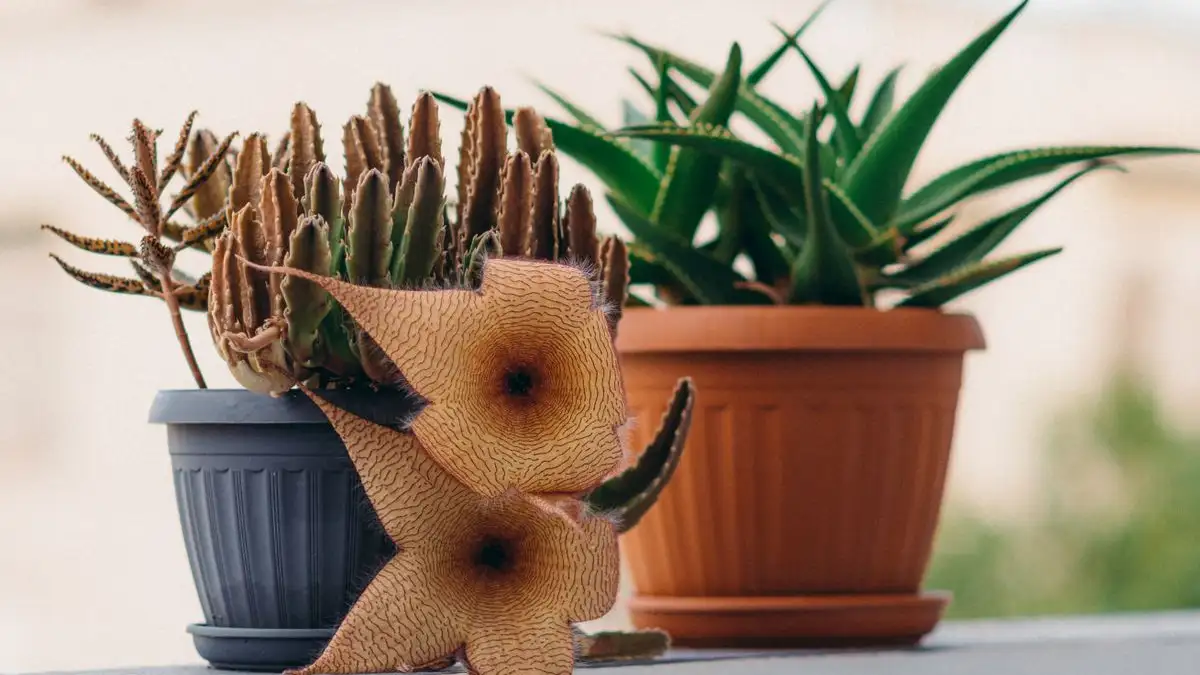
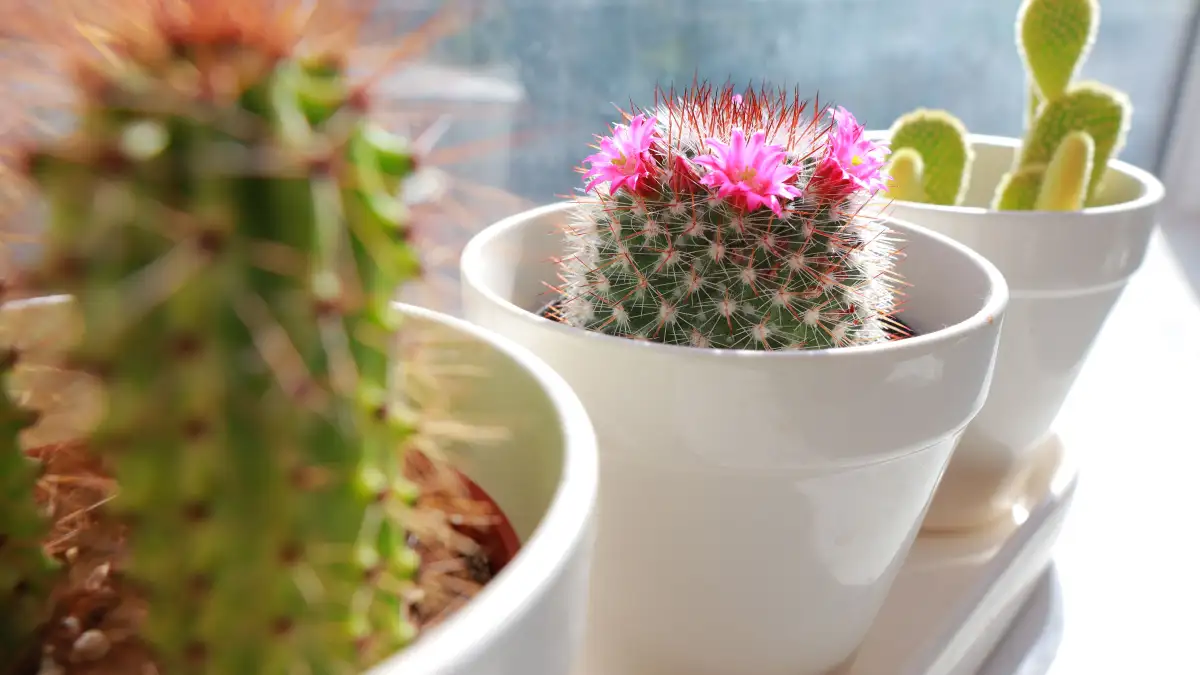
Unglazed clay pulls water out through the wall, so terracotta dries first. How pot material, drainage, media, and root-to-pot ratio reset your watering.
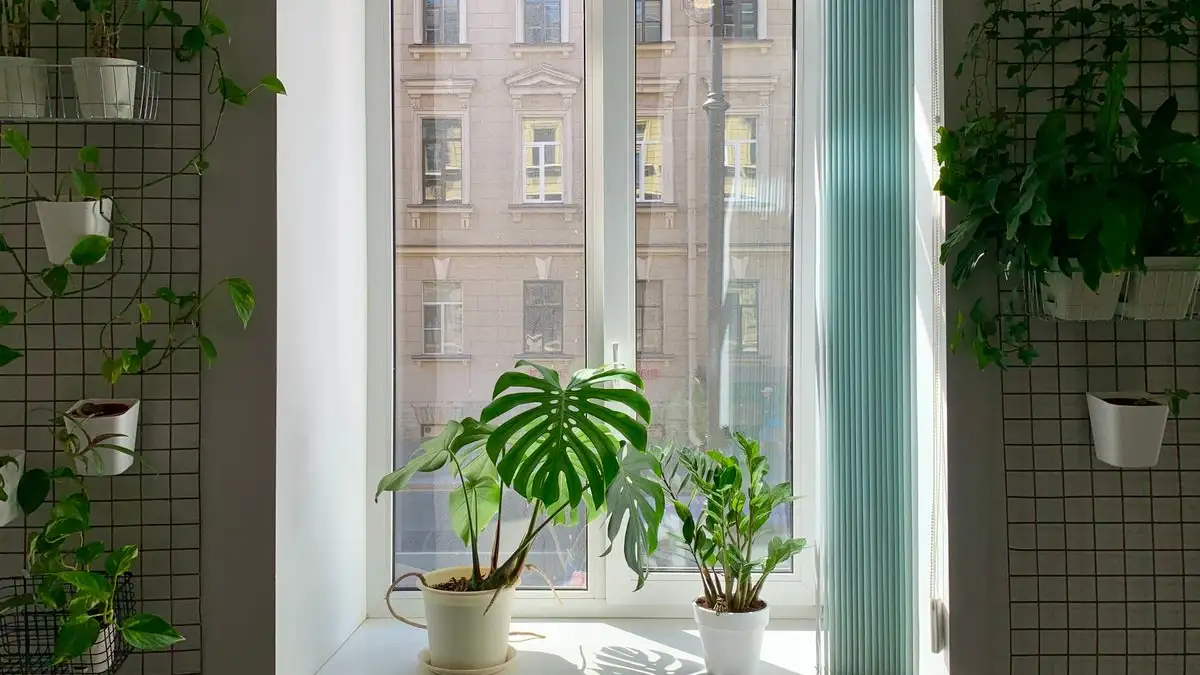
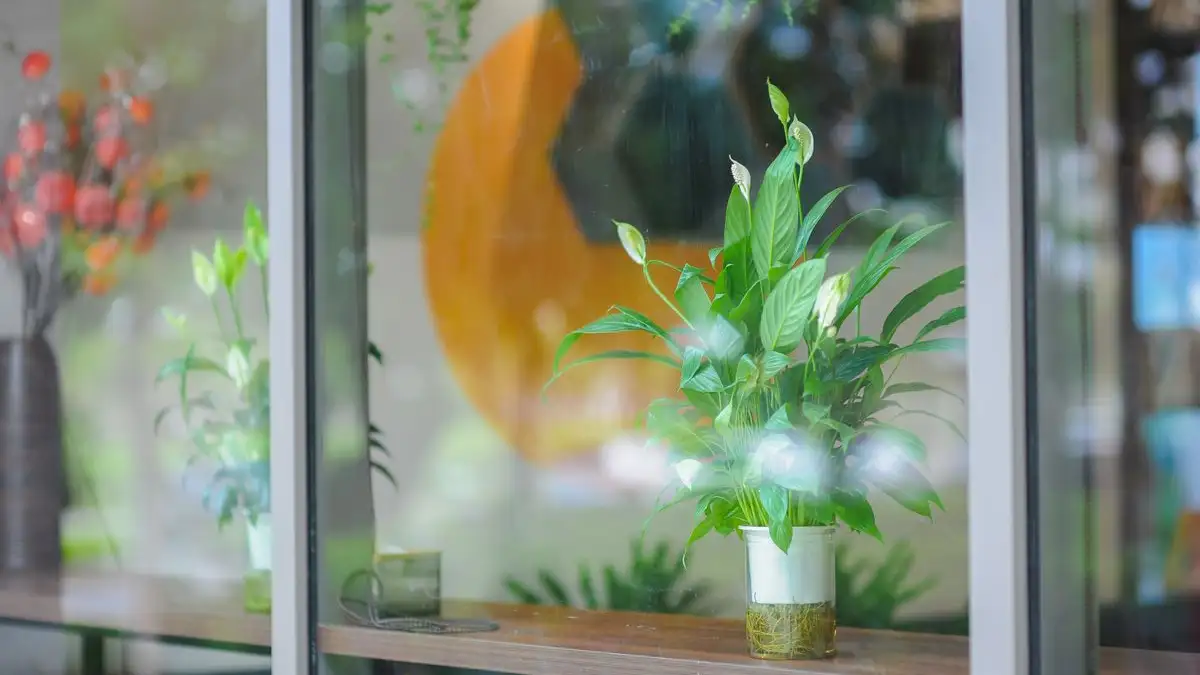
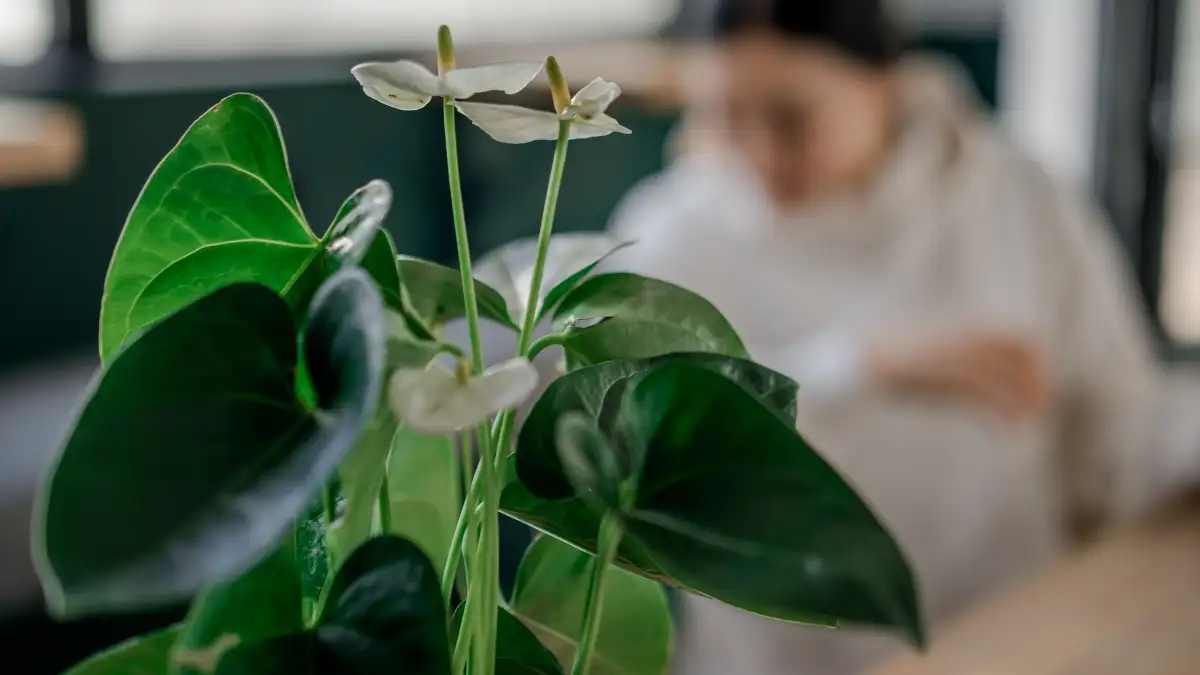
A north window delivers only indirect light, but it is a measurable budget. Here is how African violets, peace lilies, orchids, and anthuriums bloom there.
Brown leaf tips on peace lilies, African violets, and orchids usually come from fluoride and salt buildup in tap water, not chlorine. Here's how to fix it.
A bathroom windowsill holds humidity a living room shelf loses to vents and air returns. How to rank rooms by moisture and let light decide the plants.
A species-aware way to tell if a flowering houseplant is thirsty or drowning: lift the pot, run the dowel test, and read how long the roots stay wet.
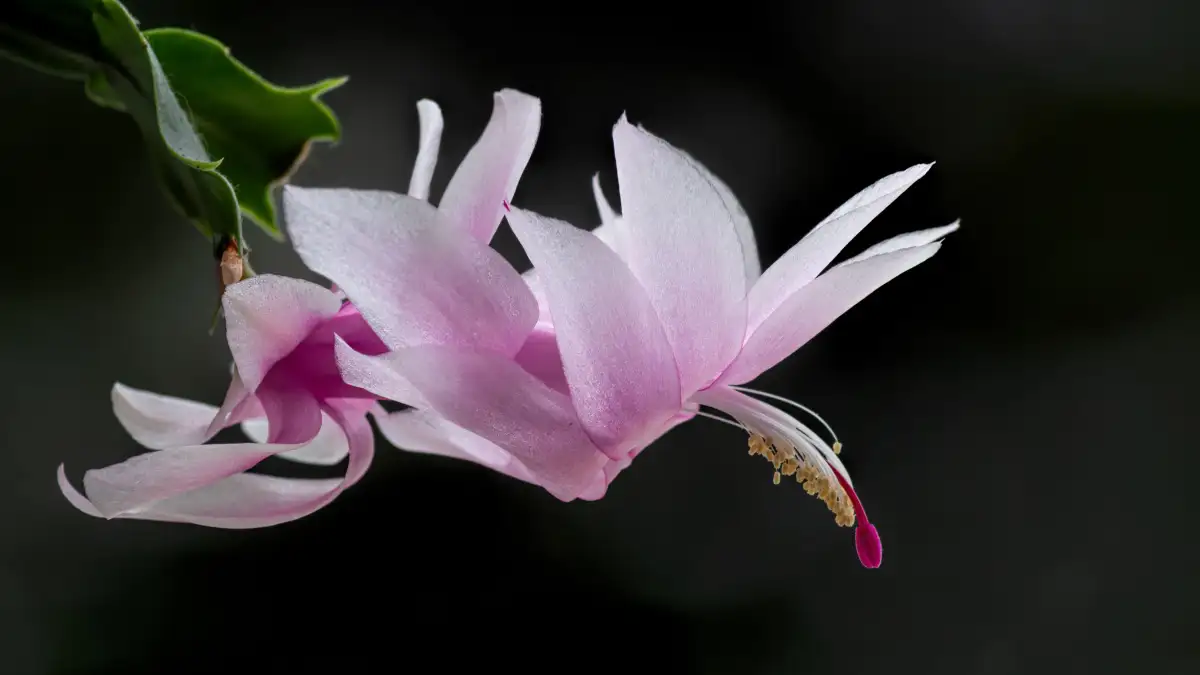
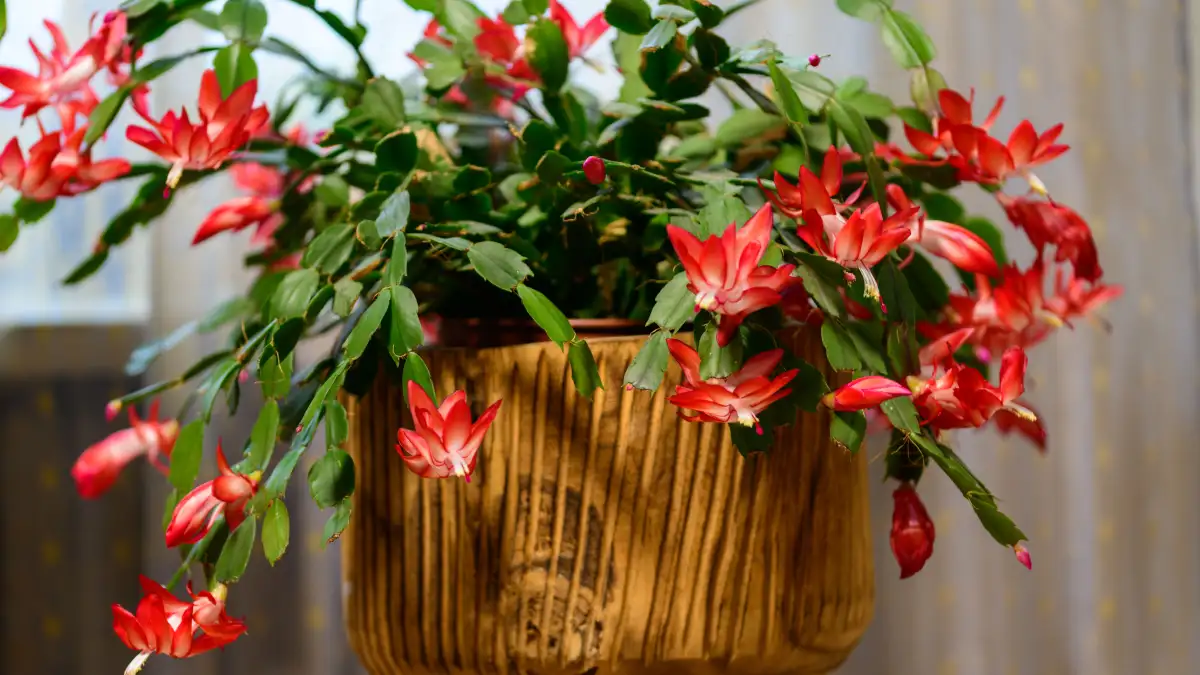
Stop watering Thanksgiving cactus on a calendar. Two hand checks — pot weight and stem feel — separate thirst from slow root rot before it spreads.
Water Christmas cactus by feel and pot weight, not the calendar: the same plant needs different intervals in terracotta and glazed ceramic pots.