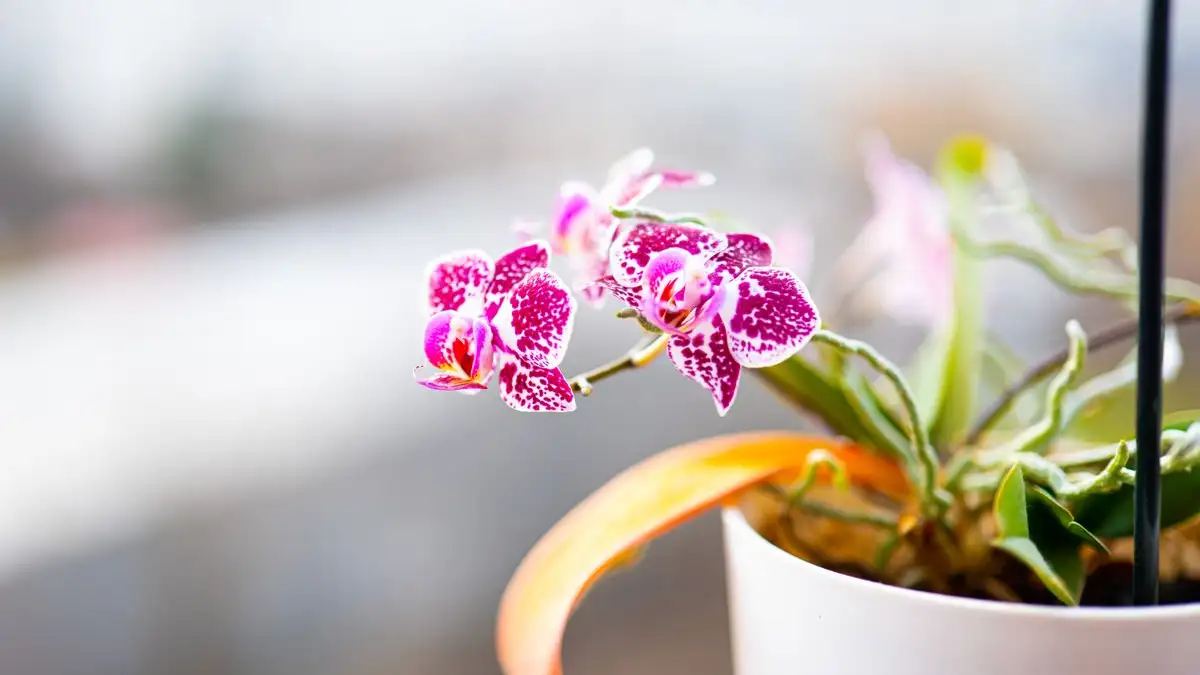
The Temperature Drop Mistake That Stops Phalaenopsis Spikes
A failed cool-night temperature drop rarely means the plant is broken. Check depth, duration, light, root health, and maturity before changing anything.
Symptom diagnostics, pest and disease management, treatment options, and pet-safe flowering houseplant choices.
A failed cool-night temperature drop rarely means the plant is broken. Check depth, duration, light, root health, and maturity before changing anything.
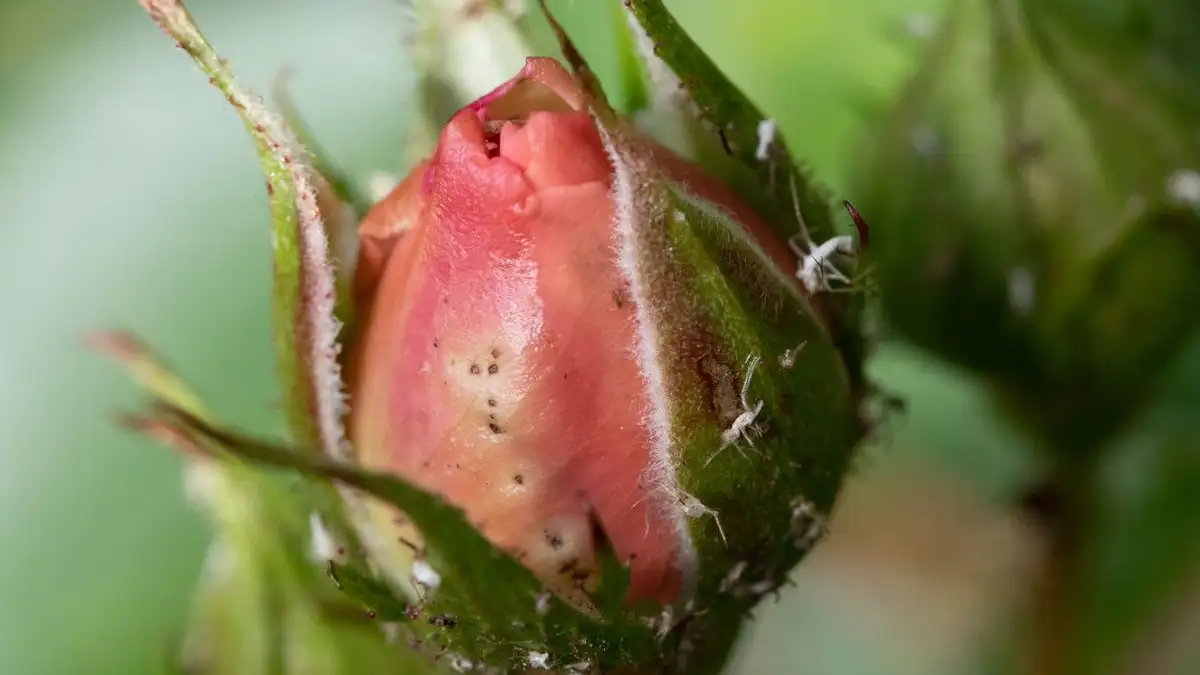
Black specks and silvery streaks on buds mean thrips feeding from inside the flower. Here's how to confirm them and get a clean next flush of bloom.
Brown tips can mean too much fertilizer or too little. Learn to read leaf position, soil crust, and timing to tell fertilizer burn from a real deficiency.
Wiping off the white fluff only removes the visible mealybugs. The ones that restart the infestation hide in leaf axils, bud sheaths, pot rims, orchid roots.
Christmas cactus bud drop is a chain of recent changes — moving, drafts, light, and water. Rewind two weeks to find the cause instead of guessing.
Yellowed leaves and blasted buds are rarely a light-hours problem at all. Work the diagnostic order — roots, air, pests — before you touch the timer.
Bud blast starts at the bud stalk, not the petals. Check the cold pane first, then ethylene, temperature swings, and dry heated air — in that order.
Condensation, surface film, and fuzz color all read differently inside a humidity dome. Here is how to tell botrytis from algae, mineral salts, and mildew.
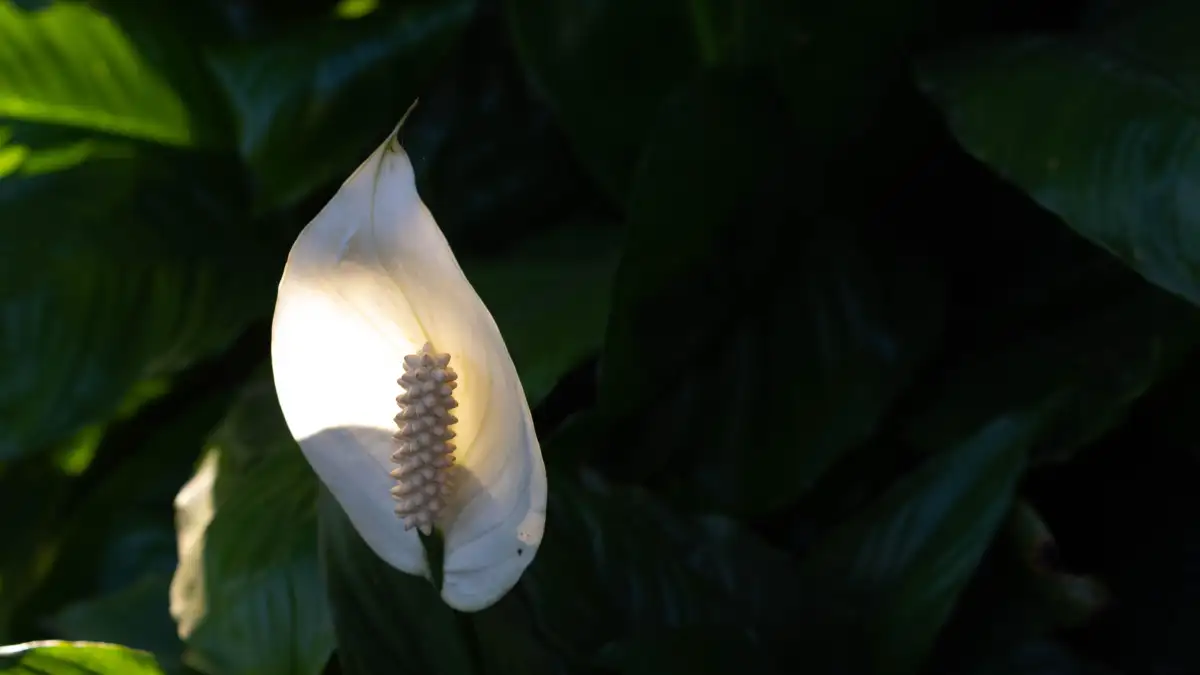
A drooping peace lily is usually overwatered, not thirsty. Check pot weight, soil moisture, yellowing leaves, and root rot before you water again.
Four non-toxic flowering houseplants that reliably rebloom indoors, each paired with its rest trigger, plus the popular bloomers pet homes must skip.