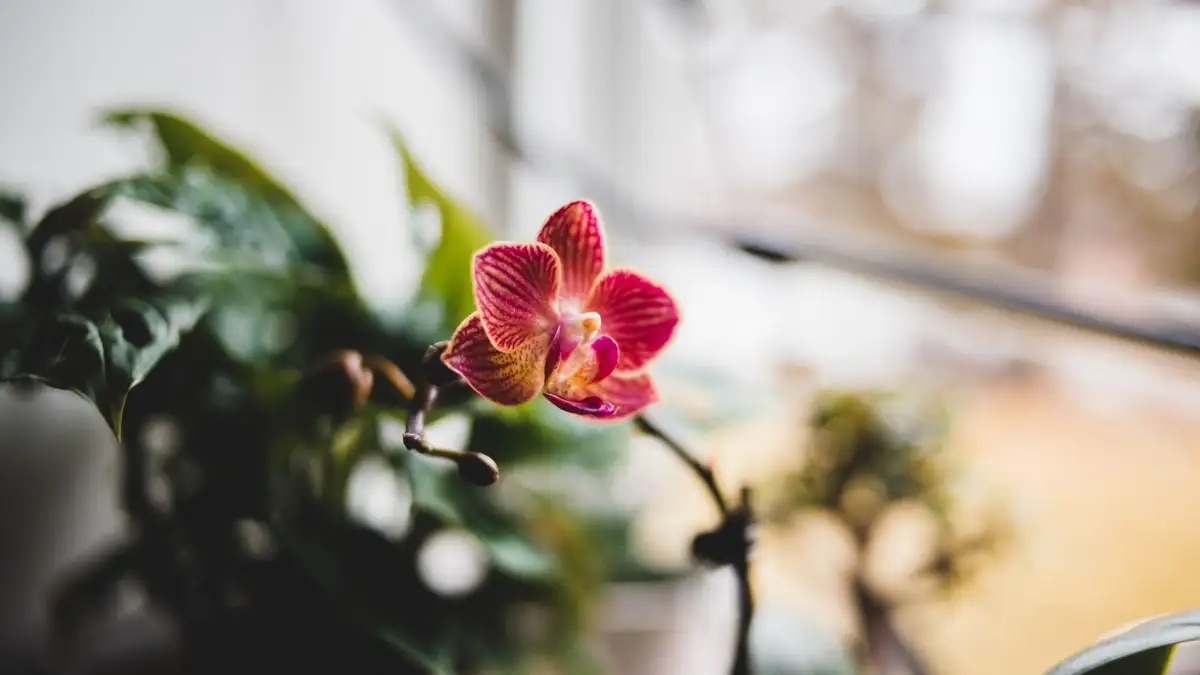
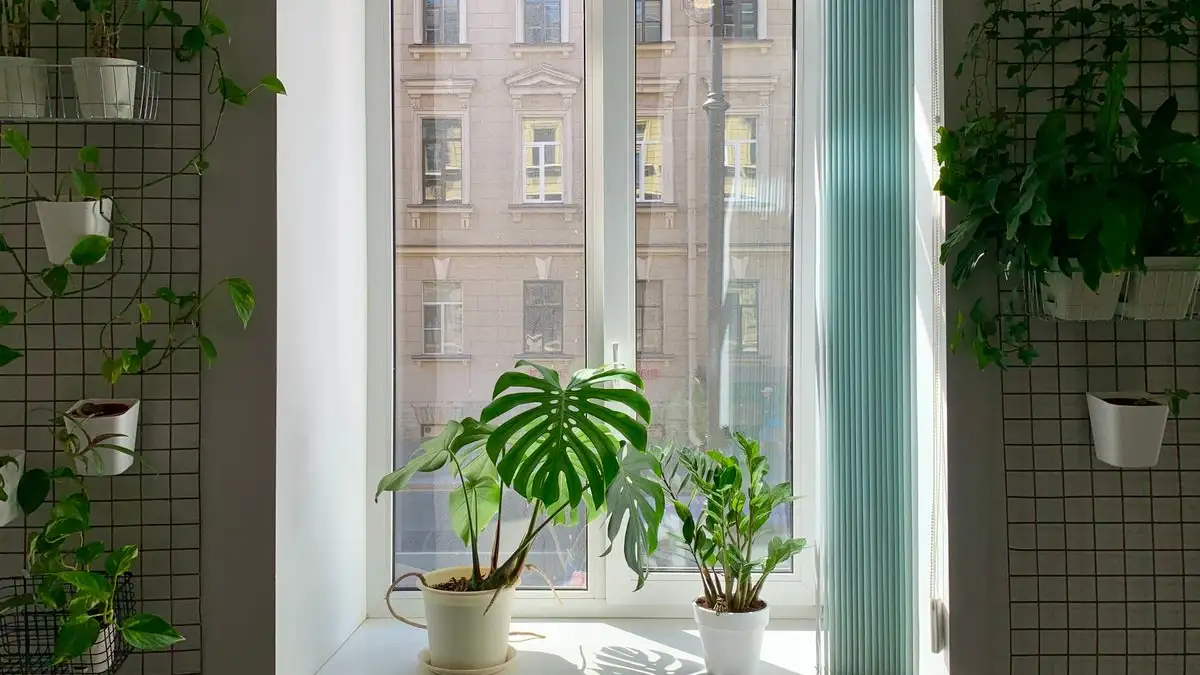
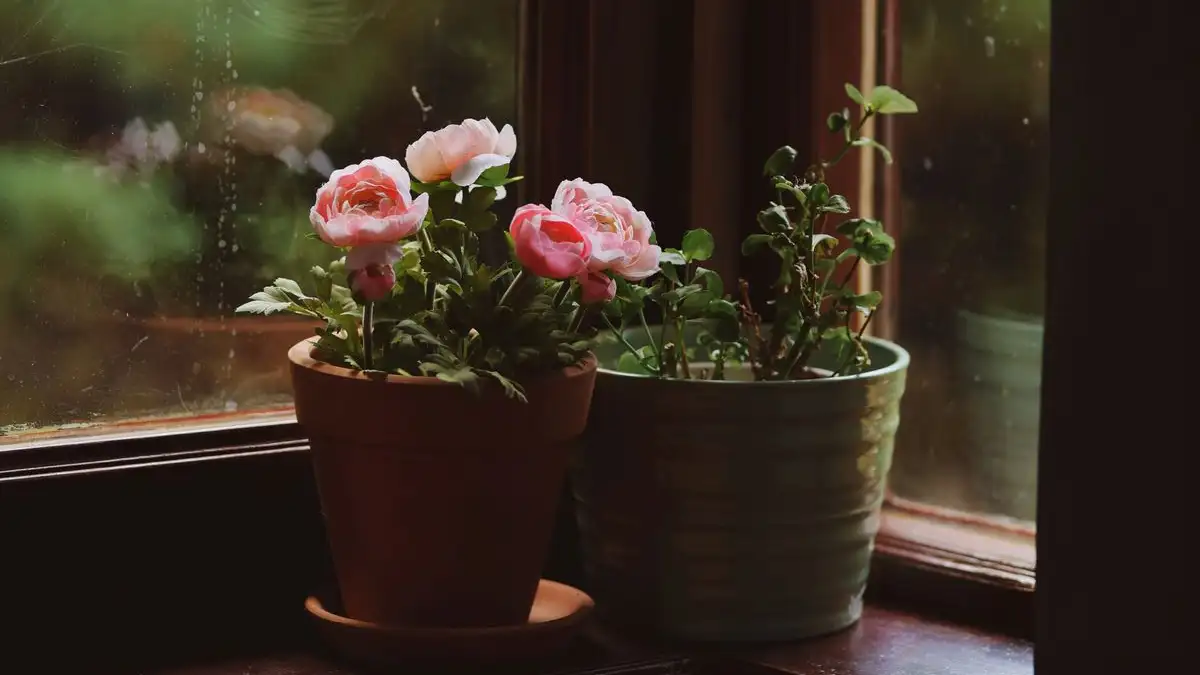
Bud blast at a north window is almost always the glass, and the other causes are links further down the same short chain: ethylene in the room, temperature swings, dry heated air, and watering mistakes. Work through them in that order — pane temperature first, because it is the cheapest thing to measure — instead of jumping straight to a diagnosis. The pattern of loss, specifically which buds fall and how fast, tells you which link broke. "Orchids are fussy" describes the problem; it does not explain it.
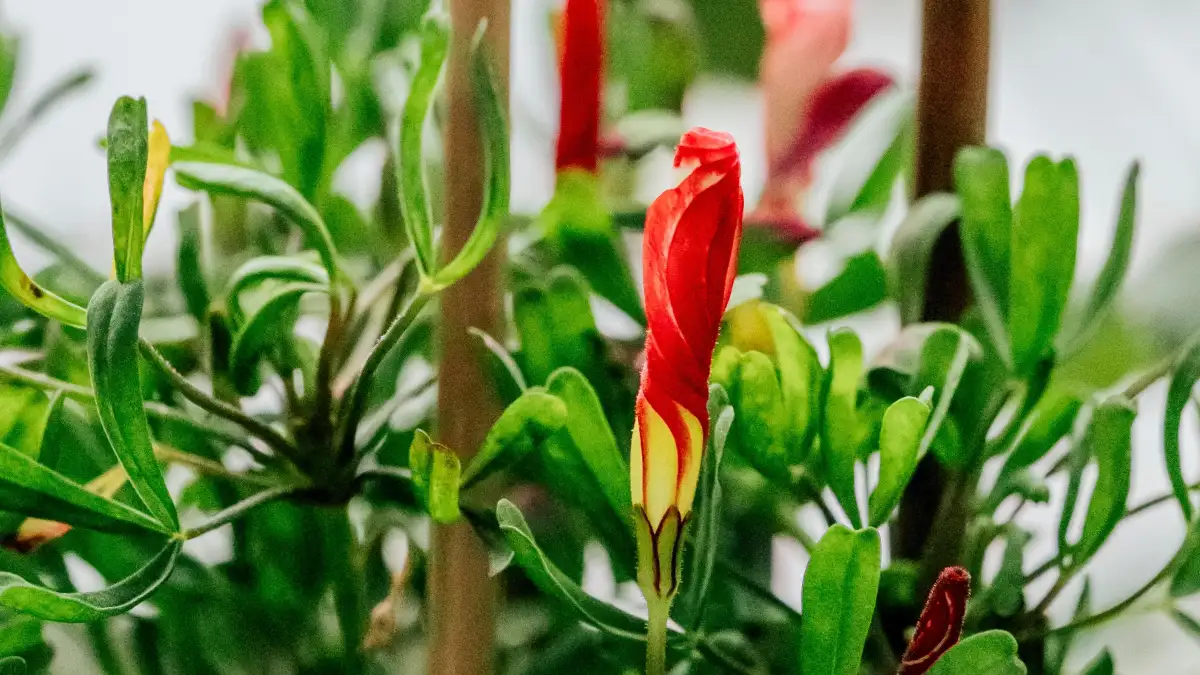
I start with the back of my hand, not with the plant. Press your fingers flat against the inside of the glass and hold them there for a slow count of ten. On a January night with the house at 68°F, a single-pane north window feels like the inside wall of a refrigerator, and the air within a few inches of it is a different climate than the air a foot away. That pocket is where your buds are sitting.
If you own a non-contact thermometer, aim it at the glass instead of the room air. A room thermometer reading 68 tells you nothing useful about the pane. The pane is the number.
Feel the Glass Before You Touch the Plant
Bud blast — buds that yellow, shrivel, and drop before they ever open — begins at the stalk, not the petals. That detail is what makes it readable. The little stem attaching the bud to the spike yellows first, then goes limp, then gives way at the lightest touch, while the petals can still look perfectly fine.
What you are looking for on a cold-damaged plant is asymmetry. Cold takes the buds nearest the window and leaves the ones on the back of the same spike plump and green. On a spike, this plays out from front to back over several days. That front-to-back pattern is about as close to a home diagnosis as you are going to get.
The fix is usually measured in inches. Slide the pot eight to twelve inches back from the glass and you have moved it into air several degrees warmer without changing its light much. A piece of foam board or a sheet of cardboard stood between the pot and the pane helps in a pinch, though it costs you light. What does not help is carrying the plant into a different room to get it away from the window — that trades a cold problem for a temperature-swing problem, which is the next item on the list.
One more thing about the glass: a heavy curtain pulled between the plant and the room makes the cold worse, not better. It seals the pocket of chilled air against the sill for the whole night. If you close the curtains at dusk, move the plant to the room side of them first.
Then Walk the Room and Look for Ethylene
Ethylene is the one cause here you cannot see, and it is the reason a bud drop can feel like a curse. Ripening fruit is the usual source: a bowl of bananas, apples, or avocados on the same counter or in the same small kitchen. A gas stove with a standing pilot, a fireplace that smolders overnight, a propane heater, and cigarette smoke all put ethylene or the same family of combustion gases into the air. Orchids are famously sensitive to it — a Phalaenopsis or a Dendrobium can abort every bud on a spike from a source you would never notice by smell.
The signature is completely different from cold. Instead of losing the front buds first, you lose everything at once: all the buds on the spike, both sides, often across more than one plant in the same room, within a day or two. Buds that had barely started to swell go with the rest. If you walk in and the whole spike has collapsed together, go looking for fruit and for anything that burns fuel.
The correction is distance and air movement, not plant care. Get the fruit bowl out of that room, run the range hood when the stove is on, crack a window for a few minutes when the fireplace is going. Sensitivity varies a lot by species and by how long the exposure lasts, which is why two plants side by side on the same sill can react differently to the same room.
Temperature Swings, Including the Ones You Cause
Most bud blast from swings has a timestamp on it. Somebody carried the plant to the dining table to show it off and carried it back. Somebody brought it home from the store in a cold car. A thermostat setback dropped the house ten degrees overnight, or a door to a cold hallway was left open, or a heat register started blowing directly on the spike. Buds in development track temperature closely, and a fast change reads as a signal to abort.
If you can name the event — "I moved it Tuesday" — you have your answer, and the plant is not sick. It is reacting. A spike that dropped buds after a move does not need anything done to it. It needs to be left exactly where it is.
Cold water belongs here too, because it is a temperature swing applied at the roots. In winter, tap water in a lot of US homes comes out around 50°F, and pouring that into a pot in a warm room is a shock delivered straight to the root zone. Fill your jug and let it sit on the counter overnight, or take the chill off with a splash of warm. A plant of mine dropped three buds the day after a watering I would have sworn was harmless; the water had come straight from the cold tap.
Dry Heated Air and the Sheath That Won't Let Go
Furnace air is the slowest of these causes and the easiest to mistake for something else. Indoor humidity in a heated house can sit in the twenties for weeks at a time. Bud sheaths — the thin papery sleeves the buds push out of — dry down and go crisp, and a bud that cannot clear a dried sheath will abort right at the point where it should be opening. You will see brown, papery tips on the sheath, sometimes a split, sometimes a bud that sits there green for a week and then shrivels without ever opening.
You can raise the humidity right around the plant with a pebble tray under the pot or by grouping flowering plants together, and you can keep the pot out of the direct path of a heat register. Do not mist the buds themselves; water collecting in a bud is a rot risk, not a humidity fix. If a sheath is genuinely trapping a bud, a lightly dampened cotton ball tucked against the sheath at the node can soften it, but that is a judgment call and one to watch closely — leave it in place too long and you have invited rot into the exact spot you were trying to help. When in doubt, leave the sheath alone and let it split on its own.
Watering, the Link People Skip Because It Feels Too Simple
Underwatering drops buds, and it drops them in a pattern that makes people think of disease. The whole spike flags before anything yellows. The buds lose their sheen and go soft before they discolor. Lift the pot: if it is feather light and the medium is bone dry from top to bottom, root-zone moisture is your answer, not a pathogen.
Overwatering sits further out on this list because it usually shows up as root loss first and bud blast second, and by then the leaves are involved too. When you are unsure on this one, read the leaves and the roots before you change anything about the buds. And whatever you conclude, do not use bud drop as a reason to repot. Repotting a plant in spike delivers a root disturbance and a moisture swing in the same afternoon.
The Order Matters, and You May Find More Than One Link
The reason to work the list in sequence is that these causes stack. A north window in a heated house, with a fruit bowl in the kitchen, is cold glass and ethylene and dry air all at once. So this is not a checklist you complete and file away; it is a way of finding the dominant problem first and stepping down from there. Feel the glass. Walk the room. Name any recent move or cold snap. Then think about humidity and watering. By the time you finish, you usually have one cause that stands out and one or two others that were contributing quietly.
What Not to Do While the Spike Is Still Green
Do not move the plant. Do not repot it. Do not feed it to "help" — a plant under stress does not need a flush of nitrogen, and pushing leaves while it is trying to hold buds is the wrong trade. Do not spray anything on the buds. And do not cut the spike the day the last bud falls. A spike that stays green can push a secondary bud from a lower node, or branch, once conditions settle. Watch it for a week or two. If it stays green, leave it. If it yellows from the tip downward, it is finished, and you can cut it back then.
When the Pattern Doesn't Match Any of These
There is a slower version of bud loss that is not on this chain at all. A plant that spent the previous months in too little light, or that lost its roots earlier in the year, will push buds that never really swell — small, pale, thin — and then lose them over a period of weeks rather than days. Cold glass and ethylene hit a plant that was otherwise doing fine. This one was not, and the answer is a season of better light before you expect flowers again. Telling the two apart is mostly a matter of speed, and of how the buds looked in the week before they went.
Once you have felt that pane against the back of your hand, the fussy-orchid story stops being useful. A bud that drops is a plant answering a specific condition, and the sequence above is how you find out which one. Most of the time the answer costs you a few inches of sill space and a bowl of bananas relocated to another room.