The plant in terracotta dries out first. Unglazed clay is porous, so it pulls water through the wall of the pot and evaporates it into the room, and the same African violet in the same mix in the same window will usually want water a few days sooner in clay than in a plastic pot of equal diameter. Plastic is the slowest to dry. Glazed ceramic sits between the two, because the glaze closes the pores. Self-watering pots are a category of their own: sometimes the slowest thing you can put a plant in, sometimes a rot trap, and which one it turns out to be depends almost entirely on what is growing inside.
Pick the pot up and hold it in one hand, palm flat under the base, not pinched at the rim. Do that every morning for a week before you water anything and you will stop needing a schedule. A pot that needs water feels lighter than it looks. A pot that is still wet feels like it wants to stay on the shelf.
I keep three African violets on the same east sill, in the same peat-based mix, potted on the same day. One is unglazed terracotta. One is a plastic nursery pot dropped into a glazed cachepot. The third sits in a self-watering pot with a wick running down into a reservoir. Two winters of lifting them before the light comes up taught me more about watering than any guide did, mostly because the answer kept moving.
Start With Your Hands, Not a Schedule
The weight is more honest than a finger poked into the soil, and the reason is simple. In clay, the top inch and the bottom inch dry at roughly the same rate, because the wall is pulling moisture sideways out of the whole column of soil at once. Plastic does not work that way. The surface dries first, the bottom stays saturated, and a finger sunk an inch deep will report thirst while the roots below are still sitting in water.
That is how most indoor overwatering actually happens. Not from pouring too much at one time, but from reading the wrong end of the pot.
If you want a second opinion beyond weight, use a bamboo skewer instead of a finger. Push it in near the wall rather than the center, go down about two-thirds of the way, and leave it for a minute. It comes out cool and dark from wet soil and pale and clean from dry. I keep one in the drawer next to the plant scissors, and I trust it more than any meter I have owned.
What the Clay Wall Is Telling You
Run two fingers down the outside of an unglazed pot the day after you water it. The wall is cool and faintly slick, and if the pot is sitting in a saucer there is usually a darker band creeping up from the bottom. Two days later the band has retreated. By day four the surface feels chalky, and a knuckle dragged across it comes away with a faint grit. That grit is mineral residue the escaping water left behind.
When the wall has gone pale and dry to the touch, the soil inside is usually a day or two from needing water. I check the wall before I check the soil, because the wall is reading the whole pot and my finger is only reading the top of it.
Where the Gauge Stops Working
Glaze the same pot and the gauge disappears. A glazed ceramic pot behaves a lot like plastic with better manners: sealed wall, no sideways evaporation, moisture held in the column and leaving mainly through the drainage hole and the soil surface. It still dries a little faster than plastic, in my experience, because the rim and the foot are often left unglazed and the fired clay body is heavier and cooler, but the difference is not big enough to plan around. Treat glazed ceramic as plastic with a nicer face and you will water it correctly.
Plastic Is a Delay, Not a Guarantee
People say plastic pots hold water. Plastic holds nothing. It simply refuses to let anything leave through the wall, so the only exits left are the drainage holes and the surface. The soil in a plastic pot is not wetter than the soil in clay. It just stays wetter for longer, and the gap widens with everything else that slows evaporation: a still room, a cool room, high humidity, weak winter light.
That delay is where the trouble lives. A plant that would have dried out in clay by Thursday is still damp in plastic on Sunday. Water it Thursday because that is what you always do, and you have started a slow rot that will not show up for three weeks.
The Cachepot Trap
Every pot I actually grow in gets at least one real drainage hole, and I mean a hole, not a dimple or a sealed-in saucer. A container with no hole is a vase with soil in it.
The decorative pot is the part people forget, and it is usually the pot the plant is sitting in when the trouble starts. There is nothing wrong with a cachepot as long as it does the job a cachepot is meant to do: catch drips, not hold water. If you water a plant in place and the runoff has nowhere to go, that water sits against the base of the root ball. The plant looks fine for a while. Then the lower roots go.
The fix is boring and it works. Carry the plant to the sink, water until it runs freely out the bottom, let it drain in the sink for a few minutes, and put it back. When I am in a hurry I set the nursery pot on a folded towel for ten minutes instead. Either way, nothing goes back into the decorative container until it has stopped dripping.
The Media Can Outrun the Pot
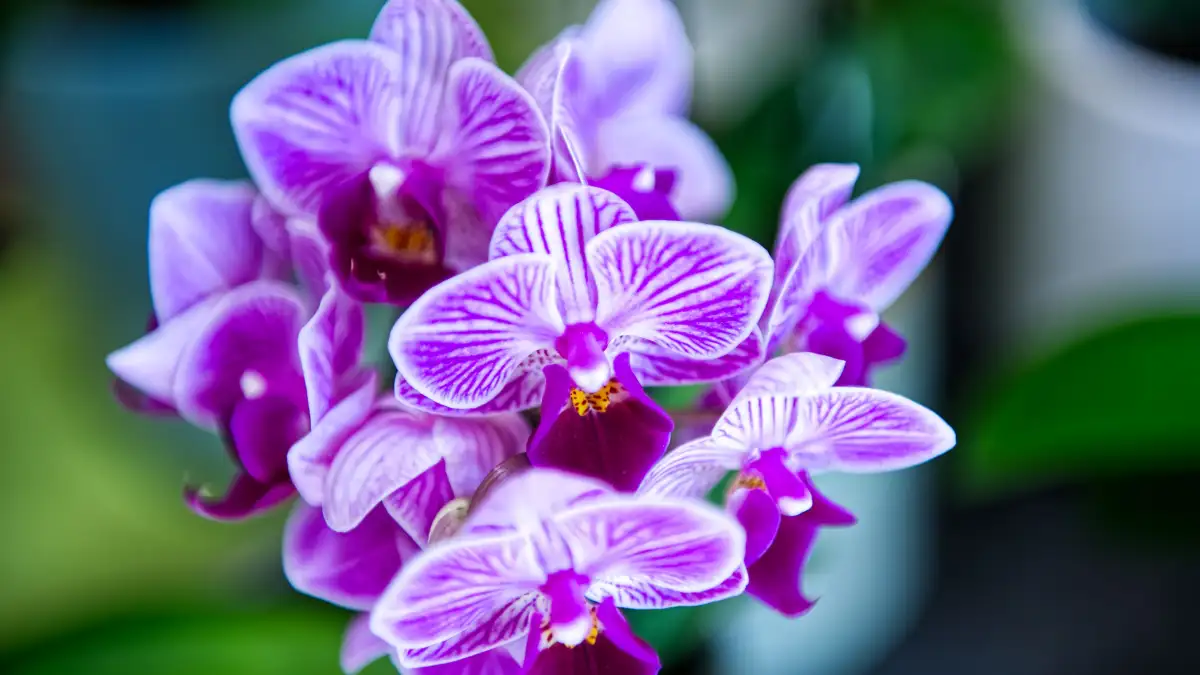
Everything above assumes the same soil, and that assumption collapses the moment you switch to bark. Orchid bark is not soil in any ordinary sense. It is a pile of chunks that hold almost no water in the spaces between them, drain almost instantly, and dry from the outside in.
So here is the reversal worth remembering. A phalaenopsis in coarse bark in a plastic pot can be ready for water again before an African violet in a peat-based mix in terracotta. The pot that dries slowest, paired with the medium that dries fastest, and the medium wins. Anyone who tells you terracotta always dries out first is describing two identical plants in two identical mixes. Change the mix and you change the order.
That is also why watering advice that travels with the pot alone is unreliable. African violet mix is peat-heavy, fine, and holds water the way a sponge does. Orchid bark sheds it. A watering interval copied from a bark-grown orchid and applied to a peat-grown violet will drown the violet, and the reverse will shrivel the orchid.
Where a Reservoir Turns Dangerous
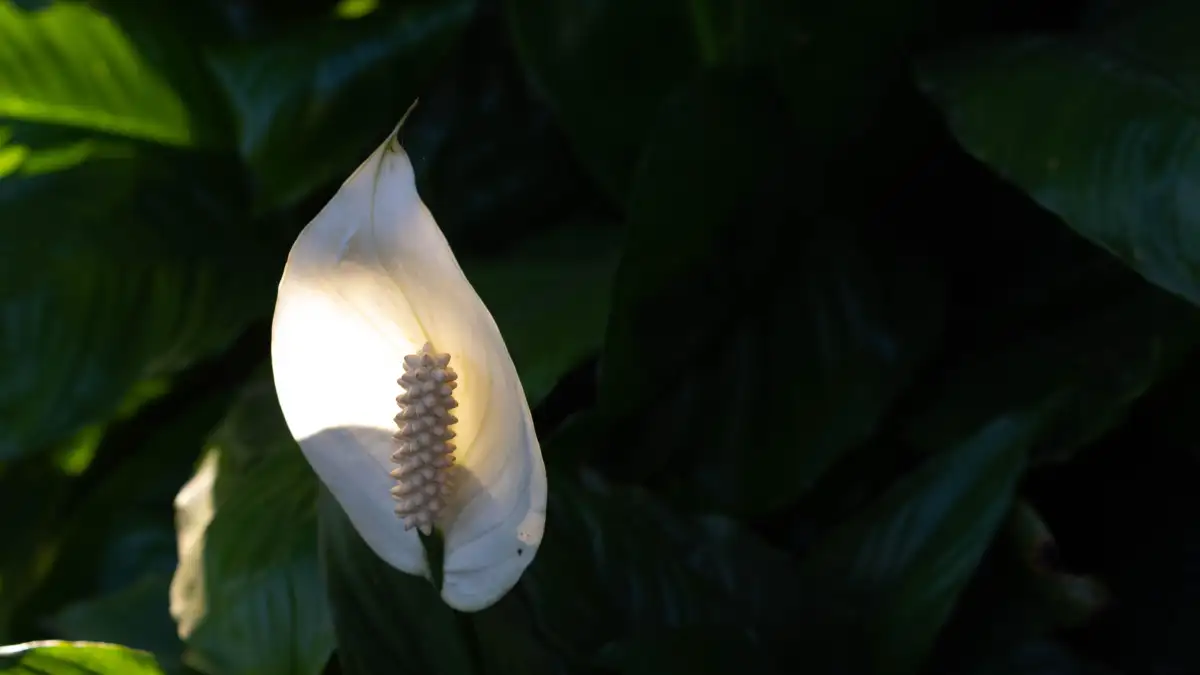
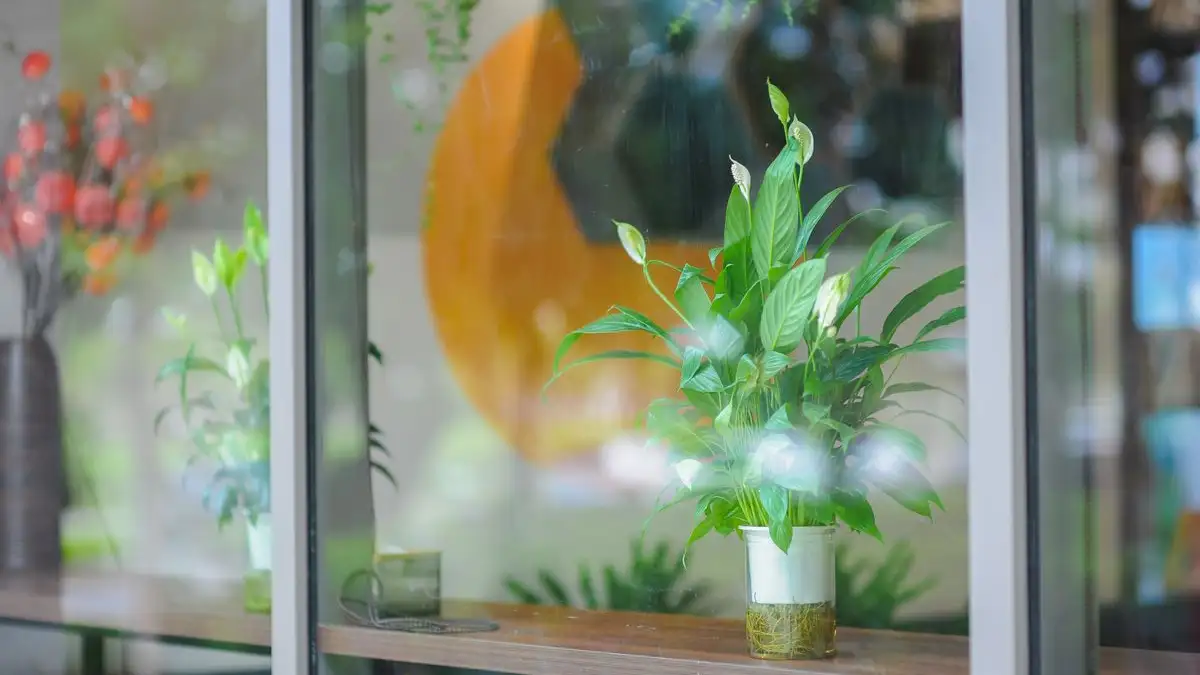
A self-watering pot with a reservoir at the bottom essentially never lets the lower part of the column dry out. For some flowering plants that is exactly right. My peace lilies and African violets in reservoir pots stay evenly moist without any fuss, and a peace lily is one of the few plants I am comfortable leaving for two weeks that way.
Orchids in bark are the opposite case, and I learned it the hard way. Bark's entire strategy is that water leaves, and gravity carries it out the drainage hole. Put bark on a wick with a reservoir underneath and nothing leaves. The bark does not dry, the roots that were silver-green go brown and soft, and by the time the leaves show it, most of the root system is gone. If you grow phalaenopsis in bark, keep it in a pot you can lift and drain, and save the reservoir for the peat-grown plants.
The Pot Size Question Nobody Checks
Pot material gets all the attention, but how much soil is actually occupied by roots can cancel it out. A plant in a much larger pot than its root ball sits in wet soil for far longer, because the roots are only drinking from a fraction of what is in there, and the rest just stays damp.
I have a small African violet that went into an oversized terracotta pot and started behaving like it was in plastic. The wall was pulling moisture out, but there was so much unused soil that it hardly mattered. Move the same plant into a pot that its roots can reach the sides of within a season, and clay starts acting like clay again.
So the material sets the baseline. The root-to-pot ratio decides how far off that baseline you land. A snug plant in plastic can dry faster than a loose plant in clay, and it happens indoors constantly, because beginners size up to the pot they like rather than the pot the roots have earned.
Putting the Adjustments Together
When a new flowering plant comes into the house, I run the same four questions in order. What is the pot made of? What is it planted in? How much of that volume is root? And what is the room doing right now: humid summer air, or a dry heated winter with the vents running?
The answers set the interval, and the interval is not a number on a calendar. It is a range that shifts when the heat comes on, when the days shorten, and when a plant gets moved up a pot size. Repotting a violet out of plastic and into clay changes the schedule more than any fertilizer decision I have made.
One last thing I do differently for violets than for peace lilies. A peace lily will droop and tell you it is thirsty, which makes it forgiving. An African violet does not announce anything. It will stay flat and green and then one morning the crown is loose. So for violets I check the clay wall and the weight and water on the early side of the range, and I keep the water off the leaves. For orchids in bark I go the other way and wait until the skewer comes out clean.
Clay runs fast. Plastic runs slow. Bark runs faster than either of them. Know which clock you are on and the schedule stops mattering.