A flowering houseplant that has gone limp is more often drowning than thirsty, and the way to tell the difference is not by looking at the leaves. Tip the pot into one hand and feel its weight, then push a finger or a wooden dowel two inches down into the mix. If the pot is still heavy, or the dowel comes up cool and dark, the roots need oxygen rather than another drink. What actually matters is how long the medium stays saturated at the bottom of the pot, and that window is different for every species on your shelf.
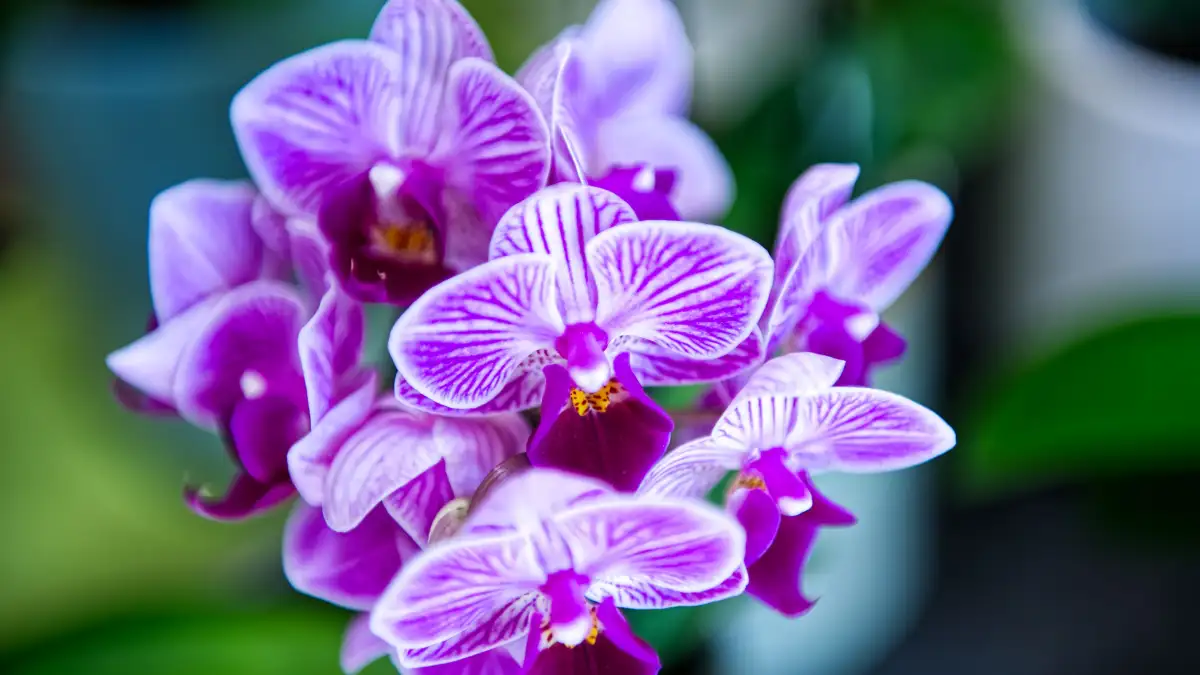
It is a Saturday morning in March and there is a phalaenopsis in a clear plastic pot in my left hand, tilted over the kitchen sink. Come stand next to me and look at it. The bark at the surface is pale and loose, the color of dry cereal. Two inches down, my fingertip finds something slightly cooler. I tip the pot and it has weight: not the dead, sloshing weight of a soaked sponge, but clearly more than it had three weeks ago.
Now I do the thing that actually decides it. I slide a bamboo skewer down the inside wall, all the way to the bottom, and leave it there while I finish my coffee. When I pull it out, the top three inches are pale wood. The bottom inch and a half are dark and cold, and there is a faint mushroom smell coming up out of the drainage hole.
That pot is drowning at the bottom and dry at the top, and no amount of staring at the leaves would have told me. The finger test only reads the top of the pot. The pot's weight is the only thing that reads the whole column. You want both, and you want them in this order: lift first, probe second.
The bottom of the pot is where the trouble lives
After you water thoroughly and the pot drains, gravity pulls the water down until it reaches the base. The last inch or two of medium stays saturated anyway, held there by capillary action against the pull of gravity. Growers call this the perched water table. It does not drain away because it cannot. So a six-inch pot has a permanently soggy zone at the bottom for a day or more after every watering, and a ten-inch pot has a bigger one that lasts longer. This is the whole reason a plant in an oversized pot rots while the same plant in a snug pot thrives, and it is why "water until it runs out the bottom" is only half the instruction. The other half is: empty the saucer, and do not water again until the pot's weight has dropped most of the way back to where it was before you poured.
Every pot has two weights, and you should learn both the way you learn a friend's knock. Weight A is the pot ten minutes after a thorough watering, drained and sitting free of any saucer. Weight B is the same pot when the plant is genuinely ready for more. Pick it up dry, with both hands, and let your arms remember it. Terracotta swings between those two weights fast because the walls breathe and wick. Glazed ceramic and plastic hold the wet end of the range much longer, which is fine as long as you are reading the weight instead of the calendar.
One more thing that changes underneath you: the medium is not a constant. Bark breaks down. The mix that drained in two seconds eighteen months ago now holds water like a wet wool sweater, because the bark has crumbled into smaller particles that pack tighter and wick harder. The plant did not change. Its soil did. Most orchids I have lost were lost to old mix, not to a heavy hand with the watering can.
Watering is a duration, not a volume
Overwatering is not about how much you pour. It is about how long the roots sit in it. You can run a quart through a healthy orchid in chunky bark and do no harm at all, because the water is gone in seconds and air moves back into the gaps. You can kill that same orchid with a quarter cup a week if the mix is fine and broken down and the pot has no air in it. The question is never "how much did I give it." It is "how long were the roots wet."
That duration is set by light, temperature, pot size, and medium, which is why a fixed weekly schedule fails. A plant in a bright south window in July drinks in three days what it took three weeks to drink in a dim corner in January. Same plant, same pot, same watering can, completely different clock. The schedule was never the variable. The plant was.
What the roots were built for
The fastest way to know what "dry" is supposed to mean for a particular plant is to ask where its roots live in the wild. That single question sorts nearly everything on your shelf, and it is more useful than any care tag.
Phalaenopsis, Dendrobium, and most other orchids. Epiphytes. In nature the roots cling to tree bark, wrapped in humid air, soaked by rain, and dry again within hours. Their roots are built to breathe. A root in a clear pot tells you everything: silver-gray and papery means dry, green and plump means it has been watered recently. That spongy white outer layer goes translucent when wet and opaque when dry, and reading it beats any schedule. For these, "dry" means the bark two inches down is pale and the pot is light. Not bone-dry for a week, but genuinely approaching dry.
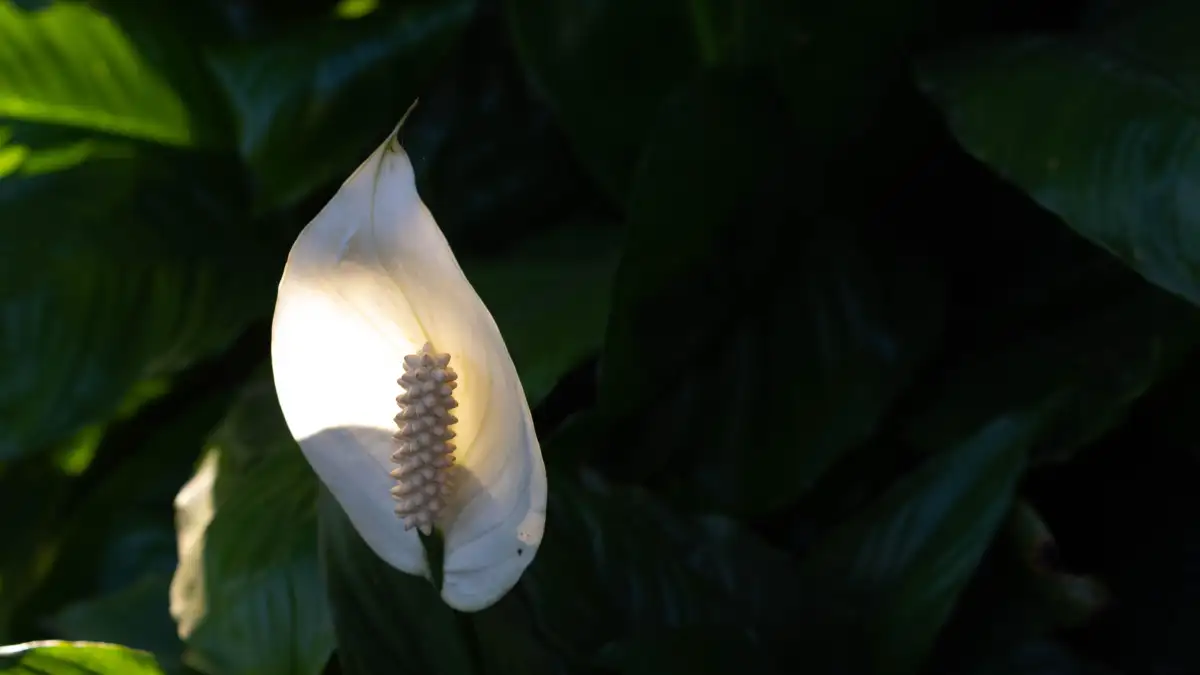
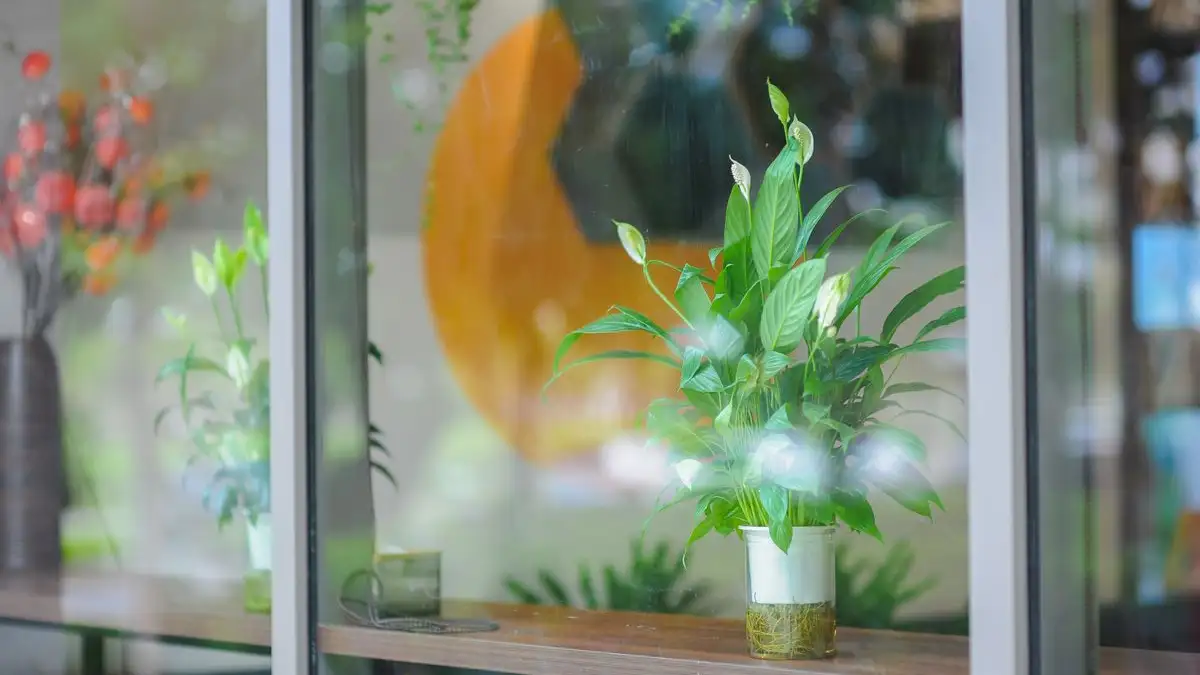
African violets and peace lilies. Terrestrial understory plants. They grow on forest floors in leaf litter that stays crumbly-moist, never flooded and never parched. They want what growers call evenly moist: a medium that feels like a wrung-out sponge a day or two after watering, not soup and not dust. African violets have two specific hatreds. Water sitting in the crown, where the leaves meet the stem, invites rot, and peat-based mix that has gone bone-dry turns hydrophobic and sheds water down the sides of the pot instead of absorbing it. That is how a violet can be both dry and sitting in a puddle at the same time. Water from below, or from above with a narrow spout aimed at the soil, and never leave the leaves wet overnight.
Peace lilies are the drama queens of the group and that is exactly what gets them killed. They droop at a point where most plants would still look fine, which trains their owners into a watering reflex. A peace lily drooping an hour after you watered it is not thirsty. It is drowning. Give it a heavy pot in low light and you have built the most common overwatering case in the house.
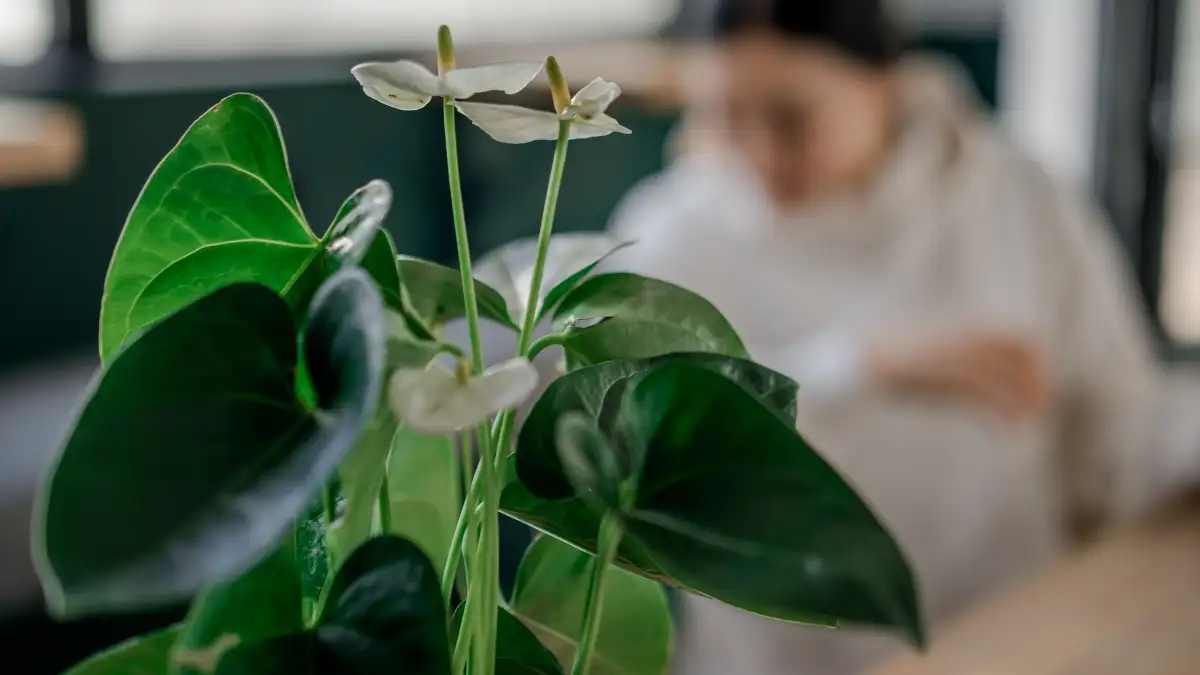
Anthuriums. Epiphytes that climb in the wild, so they want a chunky, airy mix and a smaller pot than their leaf span suggests. The tell for me is yellowing that starts on the lowest leaves while the newest growth stays green and glossy. That is a wet-bottom problem, not a light problem.
Hoyas. Thick, succulent leaves that store water, which means they would rather be too dry than too wet. Yellowing lower leaves, soft black stem tips, and dropped buds almost always mean the pot stayed wet too long. A Hoya in a big plastic pot in a cool room can go three weeks between drinks and be happier for it.
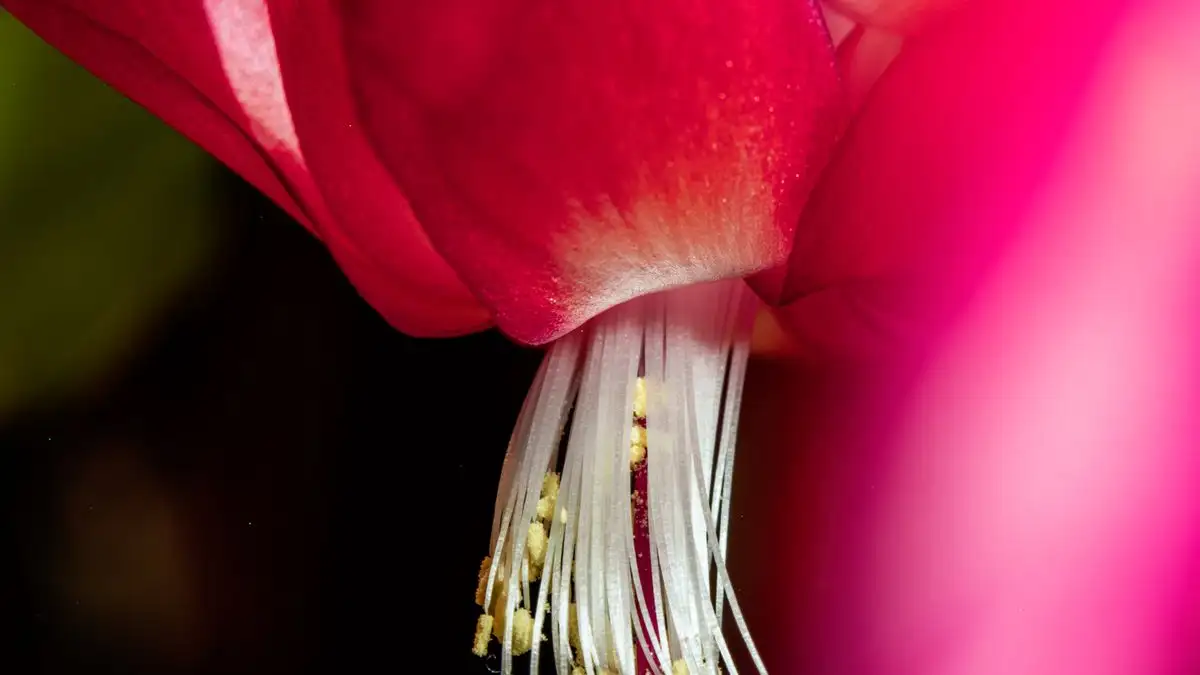
Holiday cacti (Schlumbergera). This is the one that trips people up, because they are epiphytes from Brazilian cloud forest, not desert cacti. The segments store water and the roots want a real dry-down between waterings, but that dry-down should be days, not weeks. And here is the trap: an overwatered holiday cactus goes limp and wrinkled, which looks exactly like a thirsty one. Same limp, opposite cause. The pot weight is the tiebreaker, and so is the base of the plant. If the stem is soft and dark where it meets the soil, you are looking at rot, not thirst.
Bloom is when the margin gets thin
Flowering plants are less forgiving about wet roots while they are setting buds and holding flowers than they are during ordinary active growth. A plant that shrugs off a soggy week in June will abort its buds in November. The mechanism is not mysterious. Bud and flower development is expensive, and roots that are suffocating cannot deliver the water and minerals that development demands, so the plant sheds the buds instead of the blooms. I have watched a holiday cactus drop every bud on a branch after one well-meaning extra watering, and I have seen the same thing on a phalaenopsis in spike. During bud swell and open flower, I stretch the interval a day or two past what I would normally do. If the plant is collapsing at the soil line, water it. If it just looks a little dry on top, wait.
Water temperature matters more than most people expect. Cold tap water splashed on African violet leaves leaves pale permanent rings, and it can shock the roots of any of these plants. I fill a jug and let it come to room temperature before it goes near a violet. If your tap water is hard, you will see a crust of minerals on the soil surface over time; scrape it off once a season so the medium can actually take water where you pour it.
Ten minutes of diagnosis
When a plant looks wrong and I cannot tell which way it has gone, I run through the same short list.
- Lift the pot. Heavy and limp means drowning. Light and limp means thirsty.
- Smell the drainage hole. Sour, sulfurous, or mushroomy means rot is already running.
- Slide a dowel to the bottom and read where the dark line stops. That is where the water is.
- If you are still unsure, slide the root ball out. Firm white or silver roots are alive. Brown-black roots that slip out of their outer sheath when you tug are dead. An orchid root that is papery and hollow is gone; a firm root that is brown outside but white inside may still be fine.
- Look at where the yellowing starts. Overwatering yellows and drops the lowest leaves first, and the base of the plant may feel soft. Underwatering tends to crisp the leaf edges and work inward from the outside.
If it is already drowning
The fix is boring and fast. Stop watering. Take the pot out of any cachepot or saucer so it is not standing in anything. If the pot is much bigger than the root ball, repot down a size into something chunky and airy. Trim anything black and mushy back to firm tissue with clean shears, and let the cut surfaces dry for a few hours before they go back into mix. Then leave the plant alone. Most people kill a half-drowned plant by watering it to help. What it needs is oxygen and time, and the mix needs to dry until the pot feels light before water comes anywhere near it again. Skip the fertilizer entirely until you see new growth. Fertilizer on damaged roots is salt on an open wound.
After a season of this you stop thinking about watering as a chore and start thinking about it as reading. Your hand learns the weight of each pot. The dowel teaches you the bottom, where the trouble actually lives. The species tells you what dry is supposed to mean in the first place. That is the whole framework: find out what the roots were built for, learn that particular pot's two weights, and measure the wet period instead of the water.