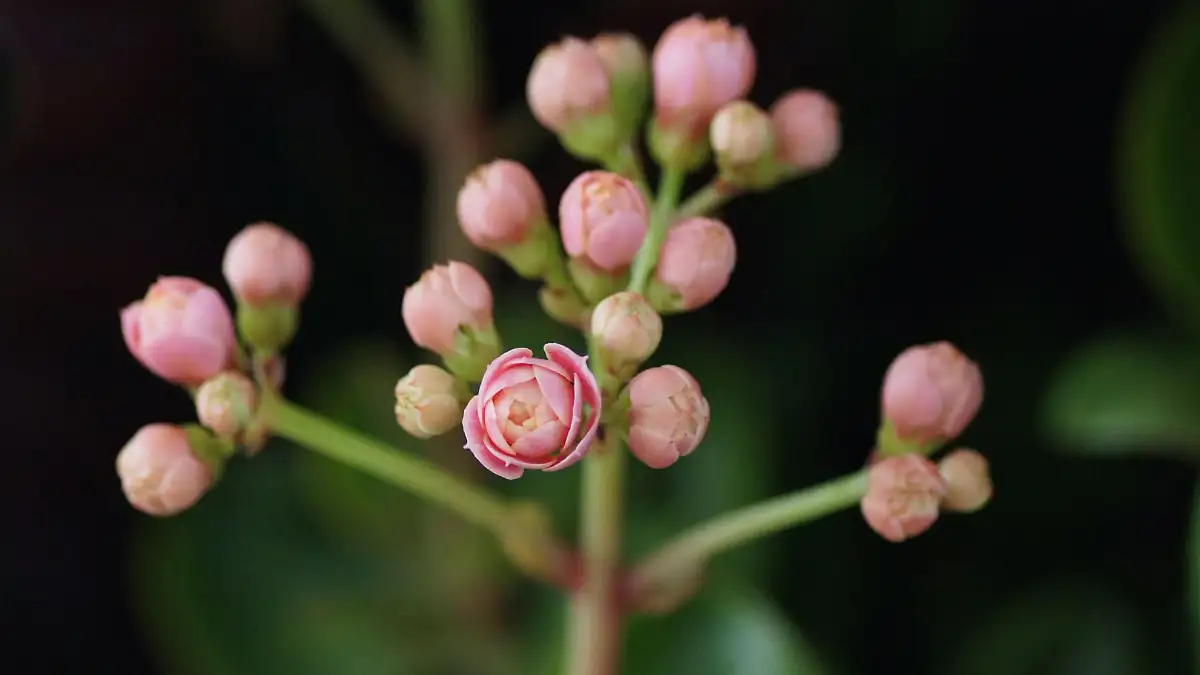
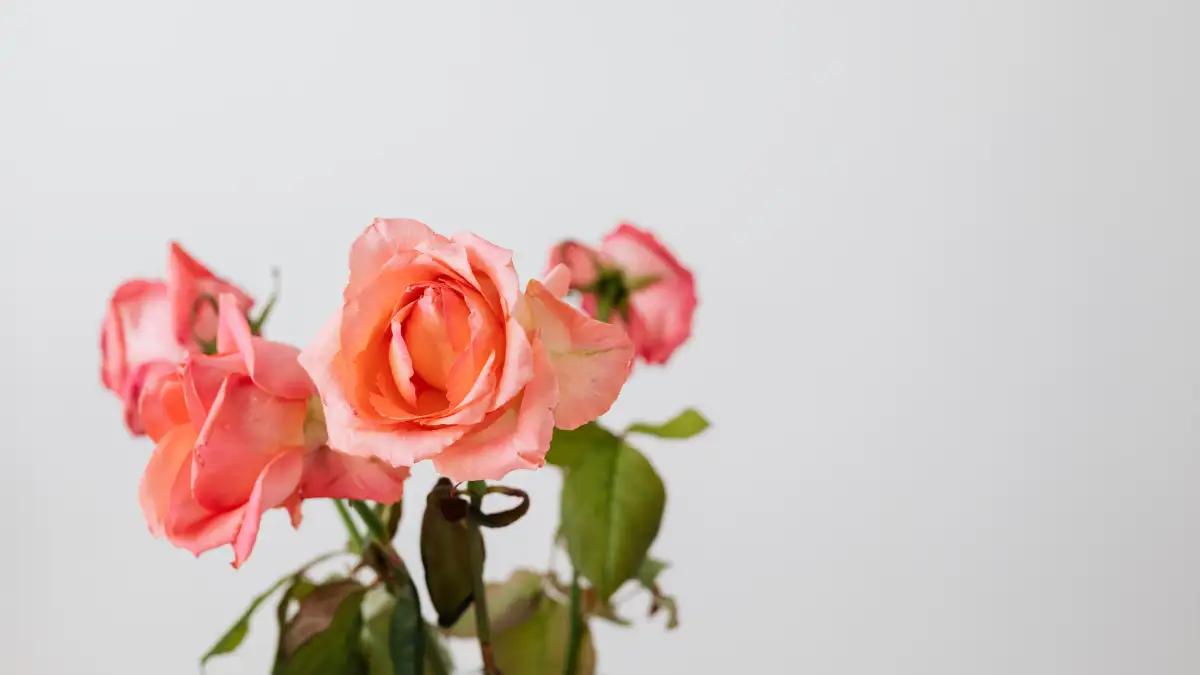
A bathroom windowsill beats a living room shelf because the bathroom holds moisture in the air and the living room shelf gives it away. Same pot, same mix, same pot size — a flowering houseplant on a sill in a frequently used bathroom dries out at roughly half the speed of the identical plant sitting on an open shelf in a living room, because the bathroom sits near the top of a house's natural humidity ladder and that shelf sits near the bottom. Light is the constraint that decides which plants are allowed on the sill. Humidity is the reason the sill is worth fighting for.
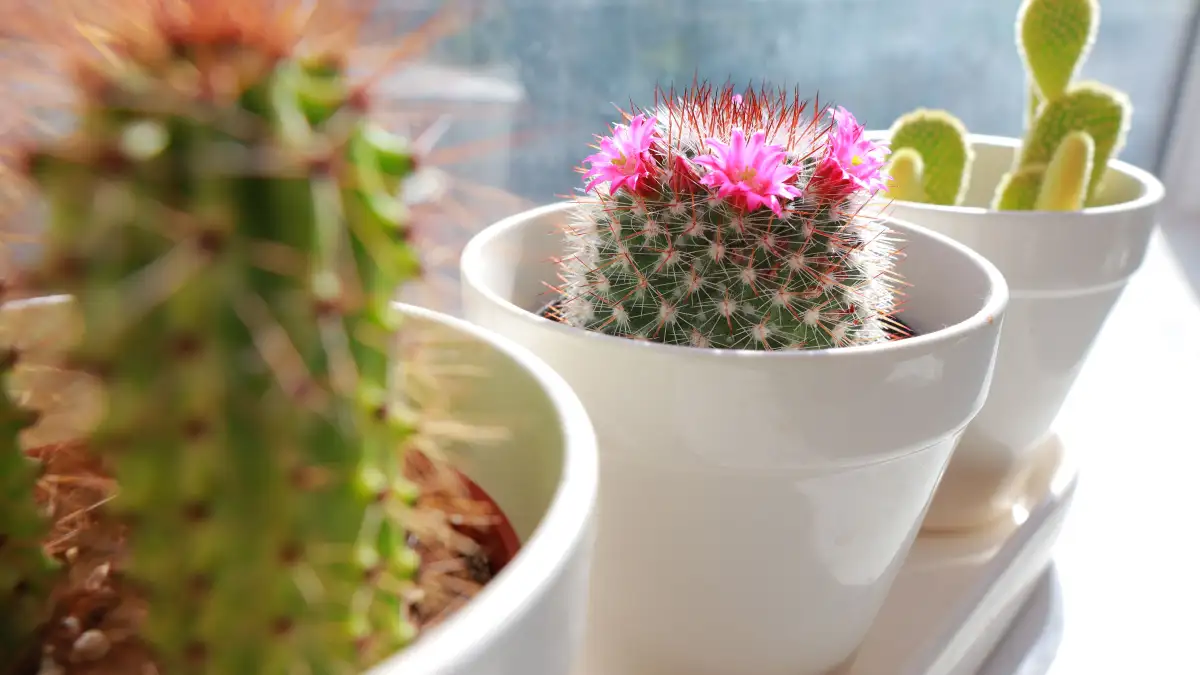
I learned it the boring way, walking the house on a Sunday morning with a watering can in one hand and my other hand doing the only test that matters. Lift the pot. Heavy means leave it alone. Light means water it. I went pot by pot, room by room, and after a couple of months the pattern stopped being a hunch and started being a schedule.
The phalaenopsis on the living room shelf went from heavy to paper-light in two days. The same plant, same bark mix, same four-inch pot, sitting on the bathroom window ledge, was still cool and slightly heavy on the fourth morning. Nothing about the two plants differed. Only the rooms did.
That was the morning I stopped treating the bathroom as a novelty spot for one tolerant plant and started treating it as the best room in the house for anything that wants moisture hanging around its leaves.
Ranking the rooms by what they actually hold
Every house has a humidity gradient running through it, and it has almost nothing to do with which room looks brightest. Standing in the hallway with a can in my hand, the order is consistent enough that I now plan around it.
A bathroom where a shower runs daily holds the most moisture of any room in a typical home. A bathroom with a window is the best case, because it carries the humidity and enough light to bloom something in it all year. A bathroom without a window still works for low-light bloomers like a peace lily, as long as steady light comes through the doorway and the room is never fully dark. A windowless bathroom with the door shut all day is not a growing space, it is a closet with a sink, and no amount of good intention changes that.
The kitchen comes next, with a caveat. The humidity is real but it is bursty — a pot of pasta throws steam for twenty minutes and then it is gone. A kitchen window over the sink is bright and pleasant, which is why so many plants end up there, but the same counter usually sits close to the range hood, and the hood pulls air hard when it runs.
A laundry area holds more than people expect. The machines put warmth and moisture into the room, sometimes for hours. The problem is almost always light, not air. If you have a laundry window that faces anything but north, you have a better spot than most shelves in the house.
Then interior corners, especially against an exterior wall. Those spots run cooler and damper than the middle of a room, which means the pot dries down more slowly and you water less often. It is a quieter version of what the bathroom does.
Last is the open shelf in the middle of the living room, which is where most people put their first plant. It is the driest real estate in the house.
What cancels the advantage
A room's reputation is worth nothing if the air in that specific spot is moving. Four things erase the humidity advantage of a bathroom or a kitchen faster than anything else.
The vent directly over or under the shelf
A heat register below a shelf pushes warm, dry air straight up through the pots. I have watched a bathroom shelf go from four-day dry-down to two-day dry-down purely because the floor register in front of the vanity was angled toward it. Same room. Same plant. Different air.
The air return
An air return is a hole in the wall that the house is constantly pulling room air into. If your plant sits within a few feet of one, you have effectively moved it outside, and the humidity of the room around it stops mattering. Feel for it with the back of your hand on a cold morning — if there is a steady draft, that spot is out.
Ceiling fans and exhaust fans
A ceiling fan running in a humid room moves the boundary layer of damp air off the leaves. It is not catastrophic, but it does cancel most of what the room was giving you. The bathroom exhaust fan is the same story in a smaller, faster dose. Running it long after the shower dumps the whole advantage down the duct.
A door propped open to a dry hallway
A bathroom leaks humidity through an open door exactly the way it leaks through a fan. If the door stays open into a dry living room, the room behaves like a hallway with tile. If it stays closed, it does not.
There is a second category of spot that never had the advantage to begin with: rooms above a garage, rooms beside a furnace closet, and rooms on the windward side of the house. These run drier and cooler than interior rooms, and they dry pots down faster. If your only bright window is in one of those rooms, you are simply going to water more often, and that is worth knowing before you blame yourself.
Light is the constraint, not the goal
Here is where the ranking stops being a ranking and starts being a decision. Bathroom windows are small and often frosted, which cuts intensity meaningfully. That means most bathroom-sill bloomers are the low-to-medium-light crowd: peace lilies, most anthuriums, streptocarpus, African violets on an east or south sill that is not scorching.
If your bathroom window faces north and the glass is frosted, do not put a kalanchoe there. It will stretch toward the light, go leggy, and never set buds, and no amount of humidity will fix a light problem. The humidity got you in the door; the light decides who gets to stay.
This is also the reason a windowless bathroom is a narrow but real option. A peace lily that gets steady indirect light through an open bathroom doorway, in a room that is never fully dark, will hold its foliage and bloom occasionally. Push that same spot on a kalanchoe and you are wasting a plant.
Grouping does more than any single spot
Once you have picked the room, shrink the space inside it. Pots set together on one tray or one narrow shelf share a microclimate, and the air between the pots stays several points wetter than the room average. The effect is real, it is cheap, and it works in a kitchen or a laundry corner just as well as it works on a bathroom sill. Keep them slightly apart rather than jammed together so air can still move between the leaves, and rotate the tray a quarter turn when you water so nothing spends a whole season facing the wall.
The times the bathroom is the wrong answer
Not every flowering plant wants this. Kalanchoe, hoya, and the succulent-leaved bloomers want to dry out between waterings, and a humid bathroom with sluggish air movement is a worse home for them than the dry living room shelf they would have hated less. A wet, still room and a plant that wants to go bone-dry is a root rot setup, not a spa.
And a guest bathroom that nobody showers in is not a humid room. It is a spare room with tile. The advantage comes from use. If the shower only runs when company visits, rank that bathroom where it actually belongs, somewhere between the laundry and an interior corner.
So the method is not complicated. Lift the pots and time how long they take to go light. Find the register, the return, and the fan, and move the shelf away from them. Then let the window decide who lives there. The bathroom usually wins, but only the one you actually use, and only after you have checked what the air in that exact corner is doing.